
- Published
- 6 min read
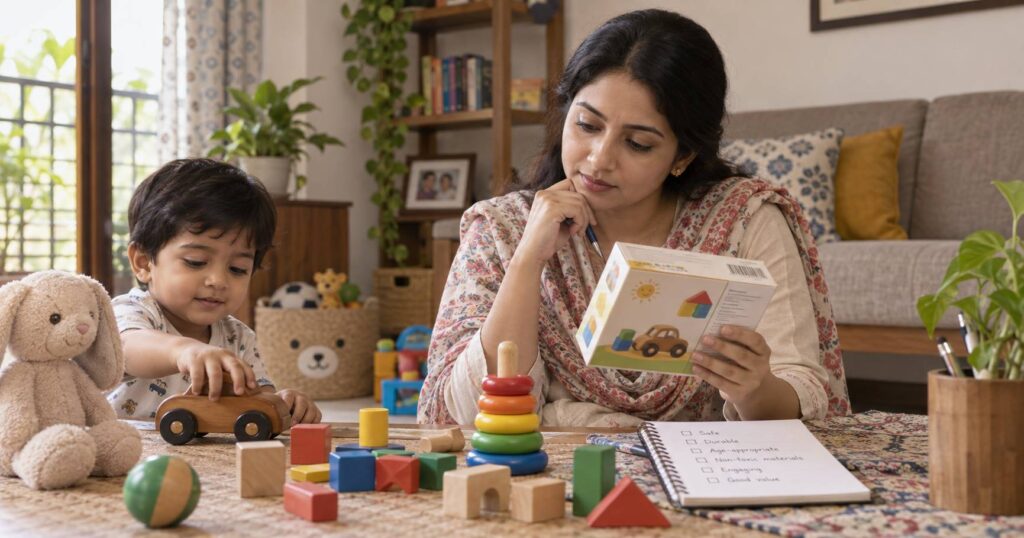
শিশুর জন্য খেলনা বেছে নেওয়ার সময় শুধু colour, price, সুন্দর design বা packaging-এ লেখা “educational” দেখলেই পুরো picture বোঝা যায় না। খেলনাটি কোন বয়সের জন্য, ছোট বা detachable parts আছে কি না, কী material দিয়ে তৈরি, কীভাবে ব্যবহার করতে হবে, আর manufacturer ও available safety/evidence information কতটা পরিষ্কার—এসবও দেখা দরকার।
সহজভাবে বললে, একটি খেলনা কেনার আগে পাঁচটি area দেখুন:
- Age ও use guidance
- Small parts এবং গুরুত্বপূর্ণ warnings
- Material, paint ও surface information
- Design, moving parts এবং instructions
- Manufacturer, exact product identity ও available evidence
একটি label, certificate বা “safe” claim একা zero-risk guarantee নয়। লক্ষ্য হওয়া উচিত—শিশুর বয়স, ability এবং actual use-এর সঙ্গে খেলনাটি কতটা উপযুক্ত, সেটি better-informedভাবে বোঝা।
খেলনা বাছাইয়ের আগে এই ৫টি তথ্য কেন গুরুত্বপূর্ণ?
একই খেলনা সব শিশুর জন্য একইভাবে suitable নাও হতে পারে।
একটি দুই বছরের শিশুর জন্য যে ছোট detachable part বড় concern হতে পারে, সেটি বড় শিশুর ক্ষেত্রে একইভাবে relevant নাও হতে পারে। একইভাবে battery-operated toy, soft toy, wooden puzzle, ride-on toy বা magnetic building set—সবগুলোর use এবং potential concern এক নয়।
এই কারণেই শুধু “ভালো brand”, “educational toy” বা “অনেক positive review” দেখে সিদ্ধান্ত নেওয়ার বদলে product-specific information দেখা বেশি useful।
U.S. Consumer Product Safety Commission (CPSC)-এর consumer guidance-ও toy packaging-এর age guidance ও safety information follow করা এবং শিশুর interest ও ability-এর সঙ্গে toy match করার পরামর্শ দেয়। তারা বিশেষভাবে ছোট শিশুদের ক্ষেত্রে small parts নিয়ে সতর্ক থাকতে বলে। (cpsc.gov)
এগুলো Bangladesh-এর regulatory rule হিসেবে নয়, practical toy-safety guidance হিসেবে বোঝা উচিত।
১. Age ও use guidance প্রথমে দেখুন
Toy package বা product page-এ সাধারণত একটি age range থাকে।
যেমন:
- 6m+
- 12m+
- 18m+
- 3+
- 6–8 years
অনেক সময় আমরা age label-কে শুধু “এই বয়সে বাচ্চা খেলাটি বুঝবে কি না” হিসেবে দেখি। কিন্তু age guidance-এর সঙ্গে product-এর intended use, size, complexity, parts এবং warning-ও সম্পর্কিত হতে পারে।
তাই age guidance ignore না করাই ভালো।
কী কী দেখবেন?
- Manufacturer-এর stated age range
- Minimum age
- Supervision guidance
- Small-parts warning
- Weight বা height limit, যদি relevant হয়
- Skill বা ability requirement
- Indoor / outdoor use
- Riding toy হলে protective equipment guidance
একটি child যদি বয়সের তুলনায় খুব advanced হয়, তবুও কোনো safety-related age warning automatically irrelevant হয়ে যায় না।
আবার age label match করলেই toyটি automatically perfect choice—এমনও নয়।
শিশুর:
- interest
- coordination
- strength
- behaviour
- habit of putting objects in the mouth
- ability to follow instructions
এসবও relevant হতে পারে।
তাই age label হলো একটি starting point, final judgement নয়।
২. Small parts, detachable pieces এবং গুরুত্বপূর্ণ warnings দেখুন
ছোট শিশুদের খেলনার ক্ষেত্রে small parts সবচেয়ে obvious বিষয়গুলোর একটি।
কোনো toy প্রথমে বড় দেখালেও তার ভেতরে বা সঙ্গে থাকতে পারে:
- ছোট wheel
- bead
- cap
- button
- decorative piece
- screw cover
- small ball
- magnet
- battery
- detachable accessory
আরেকটি বিষয় হলো—partটি কিনতে গিয়ে attached থাকলেও normal use-এর সময় আলাদা হয়ে যেতে পারে কি না।
CPSC-এর small-parts guidance অনুযায়ী, তিন বছরের কম বয়সী শিশুদের জন্য intended product-এ choking, swallowing বা aspiration hazard তৈরি করতে পারে এমন small parts গুরুত্বপূর্ণ safety concern। তাদের guidance-এ এমন pieces-ও small-part concern হিসেবে ধরা হয় যেগুলো use/abuse simulation-এর সময় toy থেকে break off করতে পারে। (cpsc.gov)
Online কিনলে কী দেখবেন?
Product photo-এর ওপর নির্ভর করবেন না।
দেখুন:
- Age warning
- “Small parts” warning
- Packaging image
- Product dimensions
- Accessories list
- Assembly parts
- Battery compartment
- Customer photos, যদি useful হয়
- Manufacturer instructions
Magnets থাকলে extra attention
কিছু toy-তে small magnets বা magnetic components থাকে।
High-powered magnets swallowed হলে একাধিক magnet শরীরের ভেতরে একে অন্যকে attract করতে পারে, যা serious internal injury তৈরি করতে পারে। CPSC এই কারণে small/high-powered magnets নিয়ে বিশেষ সতর্কতা দেয়। (cpsc.gov)
তাই magnetic toy কিনলে অন্তত দেখুন:
- magnet securely enclosed কি না;
- ছোট magnetic pieces আলাদা হতে পারে কি না;
- age guidance কী;
- warning আছে কি না;
- productটির safety history সম্পর্কে কিছু পাওয়া যায় কি না।
Battery toy হলে?
Button cell বা coin battery থাকলে battery compartment কীভাবে বন্ধ থাকে সেটি important।
ছোট battery accessible হয়ে গেলে swallowing risk তৈরি হতে পারে। বিভিন্ন market-এ এ ধরনের battery-containing products-এর জন্য specific safety requirementsও আছে। (cpsc.gov)
এখানেও মূল point হলো: “battery toy” automatically unsafe নয়; কিন্তু battery access, compartment design এবং warning ignore করা উচিত নয়।
৩. Material, paint, coating ও surface information দেখুন
Toy-এর material নিয়ে অনেক marketing claim দেখা যায়:
- non-toxic
- BPA-free
- food-grade
- natural wood
- eco-friendly
- safe paint
- premium plastic
এসবের কিছু useful হতে পারে। কিন্তু wording-এর meaning context ছাড়া ধরে নেওয়া ঠিক নয়।
কী information useful?
Toy অনুযায়ী দেখুন:
- Plastic type
- Wood type
- Fabric
- Filling
- Silicone
- Paint
- Surface coating
- Finish
- Adhesive
- Printed surface
- Metal parts
বিশেষ করে যে toys শিশুর মুখে নেওয়ার সম্ভাবনা বেশি, সেখানে material information আরও relevant হতে পারে।
“Non-toxic” লেখা থাকলেই কি যথেষ্ট?
না।
“Non-toxic” খুব broad wording।
Useful প্রশ্ন হতে পারে:
- Claimটি manufacturer করছে?
- Exact product-এর জন্য?
- কোন material বা coating-এর বিষয়ে?
- কোনো applicable test report বা standard reference আছে?
- শুধু marketplace description-এ লেখা, নাকি official product information-এও আছে?
একইভাবে “BPA-free” useful specific information হতে পারে, কিন্তু সেটি পুরো product-এর সব material-related question-এর answer নয়।
Wooden toy automatically safer?
এটাও ধরে নেওয়া ঠিক নয়।
Wooden toy-এর ক্ষেত্রেও relevant হতে পারে:
- surface finish;
- paint;
- splintering;
- glued components;
- small detachable pieces;
- sharp edges;
- hardware;
- product age/use.
Material-এর নাম alone দিয়ে পুরো product বিচার করা ঠিক নয়।
৪. Design, size, moving parts এবং use instructions দেখুন
Toy safety শুধু material-এর বিষয় নয়।
একটি toy কীভাবে designed এবং used হবে, সেটিও গুরুত্বপূর্ণ।
Toy-এর ধরন অনুযায়ী দেখুন:
- sharp edge বা point আছে কি না;
- moving part-এ finger pinch হওয়ার জায়গা আছে কি না;
- long cord বা string আছে কি না;
- foldable mechanism আছে কি না;
- projectile part আছে কি না;
- wheel বা axle loose হতে পারে কি না;
- handle/opening-এ entrapment concern আছে কি না;
- battery compartment secure কি না;
- riding toy হলে balance ও protective gear guidance আছে কি না;
- assembly দরকার হলে instructions clear কি না।
International toy-safety frameworks-এ small parts ছাড়াও magnets, cords, projectiles, entrapment, expanding materials এবং বিভিন্ন mechanical hazards-এর মতো design issue বিবেচনা করা হয়। (cpsc.gov)
কিন্তু parent হিসেবে আপনাকে standard document মুখস্থ করতে হবে না।
Practical question হলো:
“শিশুটি এই toyটি বাস্তবে কীভাবে ব্যবহার করবে, আর foreseeable use-এ কোথায় সমস্যা হতে পারে?”
Toy type অনুযায়ী concern বদলায়
একটি soft toy-এর ক্ষেত্রে relevant হতে পারে:
- stitching
- filling
- detachable eyes/buttons
- cleaning
একটি ride-on toy-এর ক্ষেত্রে:
- stability
- weight/age guidance
- helmet বা protective gear
- surface/use environment
একটি battery-operated toy-এর ক্ষেত্রে:
- battery access
- charging
- overheating
- electrical parts
একটি building toy-এর ক্ষেত্রে:
- small pieces
- magnets
- age grading
- broken components
এই কারণেই সব toy-এর জন্য exactly একই checklist useful নয়।
৫. Manufacturer, exact model এবং available safety/evidence information দেখুন
Online toy shopping-এ এই areaটি সহজেই বাদ পড়ে যায়।
অনেক product listing-এ সুন্দর photos ও features থাকে, কিন্তু basic identity information clear নয়।
যতটা সম্ভব দেখুন:
- Brand
- Manufacturer
- Model / SKU
- Product name
- Exact variant
- Age range
- Seller
- Manufacturer আর seller একই company কি না
- Instructions
- Packaging details
কেন exact model important?
একই brand-এর দুটি toy দেখতে প্রায় একই হতে পারে, কিন্তু:
- material আলাদা;
- parts আলাদা;
- age range আলাদা;
- test report আলাদা;
- manufacturing configuration আলাদা।
তাই Model A-এর certificate বা test report দেখে Model B সম্পর্কে automatically same conclusion নেওয়া ঠিক নয়।
Certificate বা test report থাকলে কী দেখবেন?
শুধু “Certified” লেখা দেখে থেমে যাবেন না।
যতটা সম্ভব দেখুন:
- Documentটি কী ধরনের?
- Certificate, test report, declaration নাকি অন্য কিছু?
- Exact model কোনটি?
- কোন standard বা scope-এর জন্য?
- Issuer বা laboratory কে?
- Certificate/report number আছে?
- Issue date কী?
- Validity থাকলে সেটি কী?
- Product-specific নাকি manufacturer/factory-specific?
একটি factory-এর ISO management-system certificate থাকলে সেটি factory বা management system সম্পর্কে useful information দিতে পারে।
কিন্তু সেটিকে exact toy-এর safety certification বলা ঠিক নয়।
Certificate থাকলেই কি toy safe?
Short answer: না।
Certificate useful evidence হতে পারে, কিন্তু certificate কী cover করে সেটি বুঝতে হয়।
একটি certificate হতে পারে:
- exact product-এর জন্য;
- specific test-এর জন্য;
- material-এর জন্য;
- manufacturer-এর জন্য;
- factory/system-এর জন্য।
তাই better question হলো:
“Certificate আছে?” নয়—“এই certificate কোন exact product-এর কোন বিষয়টি support করছে?”
একইভাবে certificate না থাকলেই toy automatically unsafe—এমন conclusion-ও ঠিক নয়।
সব product-এর জন্য same type of certificate applicable নয়।
Recall বা safety information দেখার দরকার আছে?
Higher-risk বা unfamiliar toy-এর ক্ষেত্রে recall বা safety information search করা useful হতে পারে।
দেখুন:
- exact product/model recall আছে কি না;
- manufacturer-এর serious warning আছে কি না;
- related product-এর একই ধরনের hazard report হয়েছে কি না;
- credible repeated complaint আছে কি না।
তবে:
“No recall found” মানে zero risk নয়।
আবার একই brand-এর অন্য toy recall হয়েছে মানেই এই exact toy unsafe—এমনও নয়।
Relevance দেখতে হবে।
CPSC-এর toy safety pages এবং recall/warning system-এ model-specific hazards প্রকাশ করা হয়; recent warnings-এ detachable high-powered magnets থাকা toy নিয়ে serious ingestion risk-এর উদাহরণও আছে। (cpsc.gov)
“Educational toy” লেখা থাকলেই কি ভালো choice?
না।
“Educational” একটি broad marketing description হতে পারে।
Toyটি useful play opportunity দিতে পারে কি না বোঝার জন্য label-এর চেয়ে বেশি useful হলো:
- age appropriateness;
- child-এর interest;
- play style;
- complexity;
- repeat play value;
- adult interaction প্রয়োজন কি না;
- open-ended নাকি single-purpose;
- child actual use করতে পারবে কি না।
একটি simple block set কখনও শিশুকে অনেক ধরনের play opportunity দিতে পারে, আবার flashy “educational” electronic toy child-এর interest-এর সঙ্গে fit নাও করতে পারে।
এখানে absolute development claim avoid করা ভালো।
যেমন:
“এই toy intelligence বাড়ায়।”
বা
“Brain development নিশ্চিত করে।”
এ ধরনের claim যথেষ্ট evidence ছাড়া করা উচিত নয়।
Better wording:
- sorting practice-এর opportunity দিতে পারে;
- pretend play support করতে পারে;
- building/stacking activity encourage করতে পারে;
- parent-child interactive play-এ ব্যবহার করা যেতে পারে।
অর্থাৎ toy কী ধরনের play opportunity দেয় সেটি explain করা ভালো; guaranteed developmental outcome promise করা নয়।
Customer reviews কি toy safety-এর evidence?
Customer review useful, কিন্তু regulatory বা safety certification-এর replacement নয়।
Review থেকে জানা যেতে পারে:
- parts সহজে খুলে যাচ্ছে কি না;
- paint chip করছে কি না;
- product expected-এর চেয়ে ছোট কি না;
- wheel খুলে যাচ্ছে কি না;
- battery compartment problematic কি না;
- assembly confusing কি না;
- toy দ্রুত break করছে কি না।
একটি isolated complaint থেকেই definitive conclusion নেওয়া ঠিক নয়।
কিন্তু একই serious issue বহু credible review-এ repeat হলে সেটি further investigation-এর কারণ হতে পারে।
অর্থাৎ customer review-এর role হলো real-world pattern বুঝতে সাহায্য করা—formal compliance evidence replace করা নয়।
Online toy কেনার সময় quick checklist
Checkout করার আগে এই checklistটি একবার scan করতে পারেন:
- Manufacturer age guidance আছে?
- Small-parts বা choking warning আছে?
- Detachable pieces কী কী?
- Magnet বা small battery আছে?
- Material/paint/coating information clear?
- Exact brand/manufacturer/model বোঝা যাচ্ছে?
- Instructions বা supervision guidance আছে?
- Moving parts, string, projectile বা riding use relevant?
- Test/certificate claim থাকলে model ও scope clear?
- Manufacturer বা product-এর serious recall/safety information পাওয়া যাচ্ছে?
- Toyটি শিশুর actual interest, ability এবং use-এর সঙ্গে fit করে?
সব প্রশ্নের answer সব toy-এর ক্ষেত্রে প্রয়োজন হবে না।
কিন্তু এই frameworkটি আপনাকে product listing-এর attractive photo-এর বাইরে গিয়ে useful information দেখতে সাহায্য করবে।
Goodmums খেলনা select করার সময় কীভাবে approach করে?
Goodmums-এর জন্য toy selection শুধু product সুন্দর কি না বা market-এ popular কি না—এখানেই শেষ হয় না।
Product অনুযায়ী relevant হলে review-এর মধ্যে থাকতে পারে:
- exact product identity;
- manufacturer information;
- age/use guidance;
- instructions এবং warnings;
- small-parts ও foreseeable-use considerations;
- material information;
- available testing/certification evidence;
- packaging ও traceability;
- customer experience patterns;
- recall বা safety information।
সব toy-এর জন্য একই review area equally relevant নয়।
একটি simple soft toy এবং একটি battery-powered ride-on toy-এর review naturally একই হবে না।
Goodmums Product Trust-এর উদ্দেশ্যও internal checklist customer-এর ওপর চাপিয়ে দেওয়া নয়। বরং selected product-এর ক্ষেত্রে applicable reviewed areas, useful supported product information এবং approved evidence details যতটা relevant ততটাই পরিষ্কারভাবে দেখানো।
আর কোনো product-এ Goodmums Selected দেখানো হলে তার অর্থ হলো productটি applicable Goodmums Product Trust & Selection review complete করেছে এবং review-এর সময় available information ও evidence-এর ভিত্তিতে Goodmums-এর selection requirements পূরণ করেছে।
এর অর্থ 100% safe, zero risk বা Goodmums-certified নয়।
Frequently Asked Questions
৩+ লেখা toy কি ২ বছরের শিশুকে দেওয়া যায়?
Manufacturer-এর age guidance এবং warning follow করাই ভালো।
বিশেষ করে age restriction যদি small parts, choking বা product design-এর সঙ্গে related হয়, শুধু “আমার বাচ্চা advanced” ধরে সেটি ignore করা ঠিক নয়।
Age guidance-এর পাশাপাশি child-এর ability, behaviour এবং use context-ও দেখুন।
“Non-toxic” লেখা থাকলেই কি toy safe?
না।
“Non-toxic” broad claim।
Claimটি কোন material, paint বা coating-এর জন্য, কে claim করছে, এবং কোনো supporting information আছে কি না—সেটি context দেয়।
এটি zero-risk guarantee নয়।
Wooden toy কি plastic toy-এর চেয়ে automatically safer?
না।
Material-এর নাম alone safety determine করে না।
Wooden toy-এর ক্ষেত্রেও paint, finish, splintering, small parts, hardware এবং design relevant হতে পারে।
Plastic toy-এর ক্ষেত্রেও exact material, design, age/use এবং evidence দেখতে হয়।
Toy certificate থাকলে কী কী information দেখব?
যতটা সম্ভব দেখুন:
- certificate/test type;
- exact model;
- standard বা scope;
- issuer/lab;
- reference number;
- issue date/validity;
- product-specific নাকি factory/manufacturer-specific।
শুধু certificate logo দেখলেই যথেষ্ট নয়।
Customer review কি toy safety-এর evidence?
Customer review real-world experience বুঝতে useful।
কিন্তু এটি regulatory বা compliance evidence-এর replacement নয়।
Repeated serious pattern থাকলে further review প্রয়োজন হতে পারে।
Goodmums Selected toy মানে কি 100% safe?
না।
Goodmums Selected মানে productটি applicable Product Trust & Selection review সম্পন্ন করেছে এবং সেই সময় available information ও evidence-এর ভিত্তিতে Goodmums-এর selection requirements পূরণ করেছে।
এটি zero-risk guarantee বা Goodmums certification নয়।
শেষ কথা
শিশুর খেলনা বাছাইয়ের সময় প্রথমে “কত সুন্দর?” বা “কত educational?” দেখার বদলে পাঁচটি basic প্রশ্ন করুন:
কার জন্য?
ছোট বা detachable parts কী আছে?
কী দিয়ে তৈরি?
কীভাবে ব্যবহার হবে?
আর exact product সম্পর্কে reliable information কতটা clear?
এই পাঁচটি area দেখলেই প্রতিটি risk eliminate হয়ে যাবে—এমন নয়।
কিন্তু এগুলো আপনাকে marketing claim-এর বাইরে গিয়ে toyটিকে practicalভাবে বুঝতে সাহায্য করবে।
শেষ পর্যন্ত ভালো choice মানে শুধু popular toy নয়।
শিশুর বয়স, ability, interest, intended use এবং available product information-এর সঙ্গে fit করে এমন choice।
Goodmums Product Trust-এর approach-ও একই জায়গা থেকে শুরু হয়—exact product বুঝে, relevant information দেখে, evidence-কে context-এ রেখে, তারপর better-informed choice support করা।